Bagine: A Bold Condensed Font for Café Branding
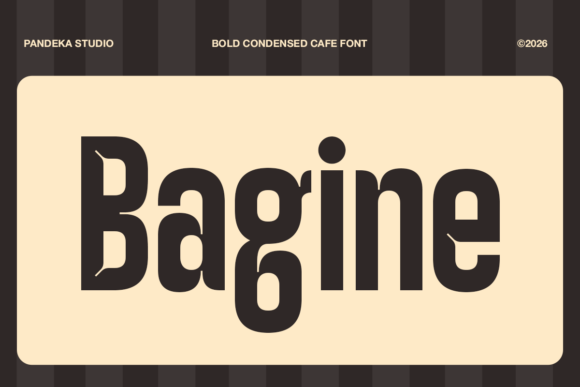
Finding the right typeface for a brand is less about picking something pretty and more about selecting a voice. For businesses in the hospitality sector—specifically coffee shops, bakeries, and casual eateries—the typography needs to strike a delicate balance. It must feel welcoming and artisanal, yet confident enough to stand out in a crowded market. Bagine, a bold condensed cafe font, offers a specific solution to this visual challenge. It delivers a warm, stylish atmosphere through tall letterforms and a strong vintage-inspired character, making it a practical asset for modern branding.
The Visual Character of Bagine
When analyzing a premium font like Bagine, the first thing to notice is the structural engineering. As a condensed typeface, the characters are narrower and taller than standard proportions. This verticality is crucial in typography because it allows you to fit more text into a smaller space without sacrificing font size. However, Bagine isn’t just about saving space; the "bold" aspect ensures that this compact form doesn’t get lost on the page or screen.
The personality of Bagine leans heavily into a modern-vintage aesthetic. It avoids the rough, distressed edges often associated with retro fonts, opting instead for clean curves and a friendly, approachable vibe. This makes it a versatile display font. It feels substantial and established, which is exactly what a new coffee shop or restaurant needs to build immediate trust with customers. It communicates that the brand is serious about its product but remains relaxed and inviting.
Strategic Applications: From Menus to Social Media
Understanding where a font works best is half the battle in packaging design and marketing. Bagine’s design makes it particularly effective for high-impact, short-form text. Think about the environments where customers interact with a food brand:
- Coffee Shop Logos and Signage: Because Bagine is a bold condensed font, it creates a strong silhouette. When used for logo design or window signage, it remains legible from a distance. The condensed nature means a business name can be displayed larger, maximizing visibility on a storefront.
- Menu Boards: In editorial design for restaurants, hierarchy is everything. Bagine works exceptionally well for headers and category names (e.g., "Espresso," "Pastries," "Sandwiches"). Its tall stature draws the eye down the menu, helping customers navigate options quickly.
- Packaging and Labels: For artisan coffee bags or bakery boxes, this font acts as a stamp of quality. It pairs well with kraft paper textures and minimalist layouts. It provides the necessary contrast against softer elements, such as illustrations or a script font used for accents.
- Social Media Graphics: On platforms like Instagram or Pinterest, space is limited. A condensed typeface allows creators to include larger headlines without cluttering the image. Bagine helps create a consistent visual identity across digital posts, ensuring the brand looks professional and cohesive.
Font Pairing and Hierarchy
A single typeface rarely carries an entire brand identity alone. Bagine, being a display-focused font, is designed for impact, not for body text. This is a common limitation of bold condensed fonts; while they look amazing in large sizes, they can be difficult to read in long paragraphs.
Therefore, practical application requires a solid font pairing strategy. To complement Bagine’s strong vertical presence, you need a secondary font that is quieter and highly legible. A simple sans serif font or a classic serif font with regular proportions works best for body copy on menus or website descriptions. This contrast creates a clear visual hierarchy: Bagine grabs attention for the headlines, while the secondary font handles the detailed information. This approach ensures the design feels organized and professional rather than chaotic.
Evaluating Fit for Your Brand Identity
Choosing a creative font involves more than just liking how it looks; it requires evaluating if it fits the brand’s voice. Bagine is ideal for businesses that want to project a "cozy lifestyle" visual. If a brand’s identity is rooted in warmth, community, and handcrafted quality, Bagine aligns perfectly with those values.
However, if you are designing for a luxury, high-fashion brand or a hyper-minimalist tech startup, this font might feel too casual. The vintage-inspired character implies tradition and comfort, which might clash with a brand trying to look futuristic or strictly formal. Always test the font in context. Create mockups of your brand identity elements—business cards, website headers, and merchandise—to see how the font interacts with your color palette and imagery.
Licensing and Technical Considerations
Before finalizing any design assets, it is essential to review the technical specifications and licensing. Bagine comes in one regular style, which simplifies the decision-making process but also highlights the need for a strong secondary font family to handle variations in weight.
For entrepreneurs and small business owners, understanding the difference between personal and commercial licenses is vital. If you are using Bagine for a client’s logo design or for commercial font usage on products sold to the public, ensure you have the appropriate license. This protects both the designer and the client from legal issues down the line.
Final Thoughts on Modern Typography
In the realm of modern typography, trends come and go, but functionality remains king. Bagine offers a blend of current trends—vintage revival and bold minimalism—while maintaining the utility needed for diverse projects. Whether you are a crafter designing labels for a local market, a marketer creating social media graphics, or a publisher laying out a food magazine, this font provides a reliable tool for creating memorable visual connections. It proves that web design and print design can share a unified, charming aesthetic when the right typeface is chosen.