Brick Bond: A Y2K Font for Futuristic Designs
In the ever-evolving world of design, finding a typeface that captures a specific era while remaining relevant is a rare achievement. Brick Bond is that font. It’s a premium font that channels the optimistic, tech-forward energy of the Y2K aesthetic, blending it with a bold, geometric structure that feels both nostalgic and strikingly modern. This isn't just another display font; it's a design asset built to make an impact. With its strong, confident letterforms and distinctive futuristic touch, Brick Bond is engineered to grab attention and hold it, making your most important text impossible to ignore.
The Anatomy of a Statement Typeface
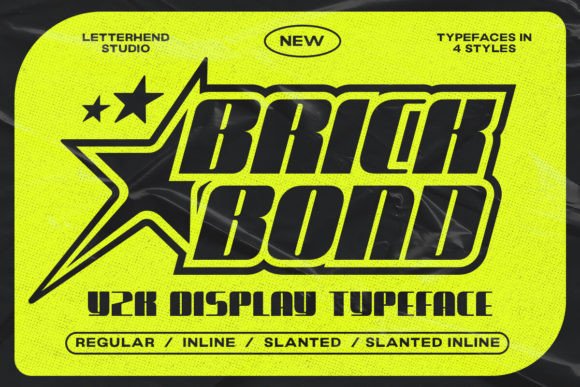
What exactly gives Brick Bond its unique character? At its core, it’s a sans serif font with a heavy, condensed weight. The letterforms are constructed with a sense of solidity, almost like they’re forged from metal or carved from a single block. This bold shape is its primary tool for drawing the eye. However, it’s the subtle details that define its personality. You’ll notice sharp, clean terminals and a slight geometric influence that nods to the digital interfaces and graphic design of the late 1990s and early 2000s. It avoids being overly rounded or soft, instead embracing a crisp, authoritative edge.
The font package includes two crucial styles that significantly expand its utility: an outline version and a slant version. The outline style offers a different textural quality, perfect for creating layered effects or providing a lighter visual weight while maintaining the font’s core structure. The slant version, meanwhile, injects a sense of motion and dynamism. It’s not a true italic, but rather a forward-leaning variant that suggests speed, progress, and energy. This trio of styles—solid, outline, and slant—gives designers a versatile toolkit for crafting headlines, logos, and key typographic elements that need to convey confidence and a forward-thinking attitude.
Where Brick Bond Truly Shines
Understanding a font’s ideal applications is key to using it effectively. Brick Bond excels in projects where clarity, impact, and a distinct brand identity are paramount. Its boldness makes it a natural fit for logo design, where it can form the cornerstone of a brand’s visual identity. Think of a tech startup, a gaming channel, or a streetwear brand—the font’s inherent energy aligns perfectly with audiences that value innovation and style. It’s a creative font that can help a small business stand out in a crowded marketplace.
Beyond logos, consider its role in editorial design and packaging design. On a magazine cover, Brick Bond can command the page, setting a tone that is both authoritative and contemporary. For product packaging, especially in the cosmetics, beverage, or electronics sectors, it communicates a modern, high-quality perception. In the digital realm, it’s a powerhouse for web design hero sections, app interfaces, and social media graphics. A bold headline set in Brick Bond can stop the scroll, making it invaluable for marketers and content creators aiming to boost engagement.
Shaping Perception and Hierarchy
A font does more than just present words; it shapes how those words are perceived. Choosing Brick Bond for your headlines and titles directly influences your project’s visual hierarchy. Its heavy weight and condensed form naturally sit at the top of the typographic food chain, pulling focus and establishing a clear reading order. This guides the viewer’s eye through your layout, ensuring the most critical information is seen first.
The font also plays a significant role in brand perception. Using a distinctive, well-crafted display font like Brick Bond signals professionalism and attention to detail. It tells your audience that you’ve made deliberate, strategic choices, which builds trust and enhances brand recognition. Consistency is another major benefit. When you use Brick Bond across your website, social media, and print materials, you create a cohesive visual language that strengthens your brand identity and makes your business more memorable.
Practical Guidance for Implementation
Integrating a new font into your workflow requires thoughtful consideration. First, evaluate the project fit. Brick Bond is a display font, meaning it’s optimized for large sizes and short bursts of text, like headlines and logos. It’s generally not suited for long-form body copy, where a more traditional serif font or sans serif font would ensure better readability. For body text, consider pairing it with a clean, neutral typeface like a classic geometric sans serif or a readable serif font. This contrast allows Brick Bond to shine in its intended role without competing for attention.
Always test the font in context. Mock up your designs to see how the letterforms interact with your color palette, imagery, and overall layout. Pay close attention to the included styles; the outline and slant versions can be used for subheadings, pull quotes, or call-to-action buttons to create subtle variations while maintaining a unified look. Finally, review the licensing. As a commercial font, Brick Bond comes with a license that permits its use in client projects, products for sale, and digital media. Ensure you understand the terms, whether you’re a freelance designer, a marketing agency, or a small business owner creating your own assets. By making an informed choice, you can leverage Brick Bond to its full potential, adding a powerful and unique voice to your creative toolkit.