Boboy Font: Bringing a Cheerful, Organic Vibe to Your Designs
Understanding the Boboy Typeface: More Than Just Bubbly Letters
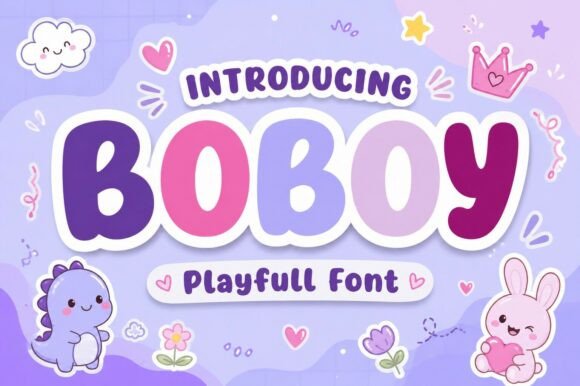
When you first encounter the Boboy font, the immediate impression is one of warmth and approachability. This isn't a typeface that stands at a distance with sharp, corporate edges. Instead, Boboy feels like a friendly invitation. As a premium display font, its core visual language is built on plush, rounded characters and softened edges. Every letterform is intentionally chunky and slightly wide, giving it a robust presence that remains jovial and light. The uniform stroke weight across all characters ensures a sense of stability and consistency, which is crucial for maintaining a professional look even within a playful design style.
What truly sets Boboy apart in the world of modern typography is its refusal to be strictly geometric. Many bubbly fonts lean into perfect circles and rigid structures, but Boboy chooses a more emotive and dynamic rhythm. There's a subtle, effervescent quality to its design—an organic touch that feels almost handcrafted. This natural vibe makes it incredibly versatile. The uppercase letters are bold and commanding, perfect for grabbing attention, while the lowercase letters carry the same design DNA but with a more casual, spirited flair. It’s a typeface that doesn’t just sit on the page; it communicates a personality before a single word is read.
Where Boboy Shines: Practical Applications for Creatives and Brands
Choosing the right creative font is about aligning the tool with the project's goal. Boboy excels in scenarios where the primary objective is to connect on a human, emotional level. Its inherent friendliness makes it an ideal choice for packaging design, particularly for products in the candy, snack, and beverage sectors. Imagine a bag of artisanal gummy bears or a bottle of organic juice; Boboy’s cheerful curves instantly signal fun, quality, and a family-friendly brand identity. It’s a child’s laughter frozen into font-format, making it perfect for any market that values joy and nostalgia.
Beyond packaging, consider its application in broader brand identity projects. For small businesses, cafes, toy stores, or boutique bakeries, Boboy can become the cornerstone of a logo design that feels welcoming and memorable. It helps a brand stand out in a crowded market by avoiding the sterile, overly technical look of many sans serif fonts. In the digital space, this display font is a powerful asset for social media graphics. Its bold, rounded characters are highly legible even on small screens and can make headlines, quotes, and call-to-action buttons pop with energy. It’s equally effective in print for posters, flyers, and editorial design where a sense of whimsy and approachability is desired.
Font Pairing and Design Considerations
While Boboy is a standout creative font, effective design often involves pairing it with complementary typefaces to establish a clear visual hierarchy. Because Boboy is a bold display font, it naturally commands attention for headlines and titles. To maintain balance and ensure readability for body copy, it’s best paired with a clean, neutral sans serif font. A simple, modern sans serif provides a quiet backdrop that allows Boboy’s personality to shine without overwhelming the reader. Avoid pairing it with another highly decorative script font or a complex serif font, as this can create visual clutter and confuse the brand message.
When evaluating whether Boboy is the right fit for your project, consider the tone. Is the project meant to be serious, formal, or highly technical? If so, Boboy might not be the best match. Its strength lies in projects that benefit from a dash of cuteness, a sprinkle of nostalgia, or an element of playful sophistication. Always test the font in context. Create a mock-up of your packaging design, a sample social media post, or a draft of your poster. Review how the characters interact with your color palette, imagery, and overall layout. Check the included styles and weights to ensure it meets all your design needs, and always verify the commercial font licensing to ensure it covers your intended use, whether for a personal blog or a large-scale commercial campaign.
Making the Most of Boboy in Your Projects
To truly leverage Boboy’s potential, think beyond just using it as a static element. Its rounded, chunky form can be used to create impactful visual hierarchy. Use it for all-caps headlines to make a bold statement, or mix uppercase and lowercase for a softer, more conversational tone in subheadings. In web design, it can be used sparingly for key buttons or section titles to inject personality without sacrificing the overall user experience. The key is to use it strategically as a design asset that enhances the narrative you’re trying to build with your audience.
Ultimately, Boboy is more than just a set of letters; it’s a tool for storytelling. It helps entrepreneurs and designers convey specific emotions—joy, trust, friendliness, and creativity—directly through typography. By understanding its unique characteristics and applying it thoughtfully across your creative endeavors, from logo design to packaging design, you can create a cohesive and engaging brand experience that resonates deeply with your target audience. It’s a testament to how the right typeface can transform a simple message into a memorable interaction.