Happy Day: Infusing Festive Magic into Your Designs
There’s a specific challenge in design work, particularly around the holiday season, that goes beyond layout and color theory. How do you visually communicate genuine warmth and nostalgia? How do you make a digital file or a printed piece feel like it was crafted with personal care? The answer often lies in the typography. A typeface isn't just a set of characters; it's the voice of your message. This is where a display font like Happy Day enters the conversation, not as a mere tool, but as a crucial part of your brand identity and creative expression.
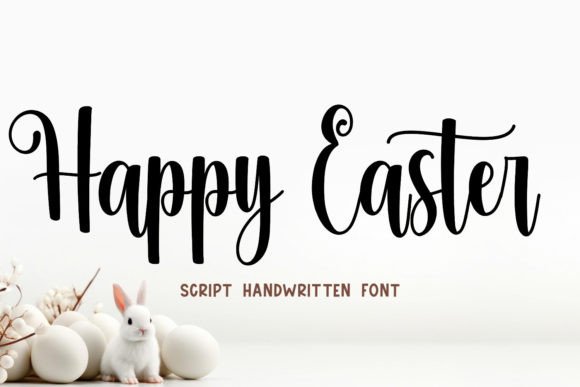
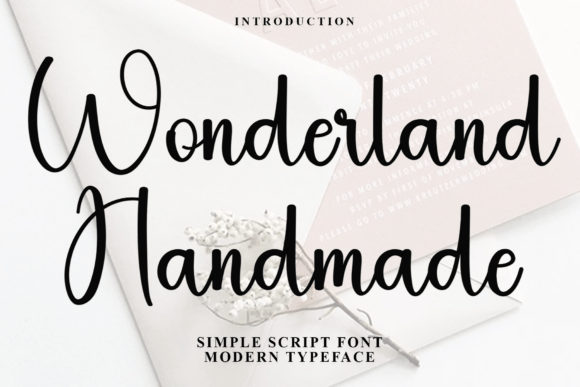
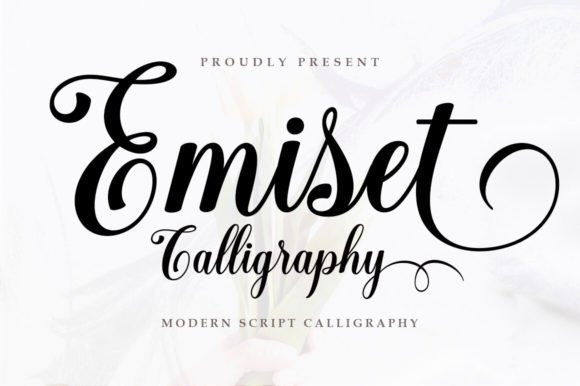
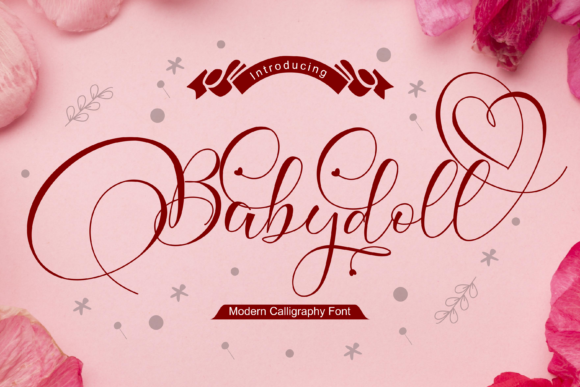
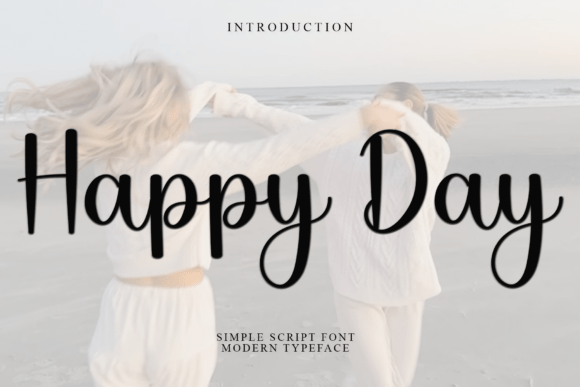
Happy Day is a festive, decorative typeface designed to capture the very essence of merriment. Its visual personality is defined by whimsical flourishes and a playful, handcrafted feel that immediately evokes the spirit of celebration. Think of it as a visual equivalent of twinkling lights and the sound of cheerful music. The letterforms are often adorned with subtle ornaments—swirls, dots, or gentle curves—that give them a life of their own. This isn't a stark, minimalist sans serif font or a traditional, formal serif font. It’s a creative font that operates in the realm of emotion, designed to add a layer of enchantment to your words. Its overall appeal lies in its ability to make any text feel more personal, joyful, and special.
Where the Whimsy Works Best: Practical Applications
Understanding a font's personality is one thing; knowing where to deploy it effectively is another. Happy Day shines in contexts where a touch of magic and nostalgia is desired. Its strengths are most apparent in projects centered around celebration, generosity, and personal connection.
- Greeting Cards & Stationery: This is its natural habitat. For packaging design on gift tags, holiday cards, or wedding invitations, Happy Day provides the immediate emotional cue that this is a personal, heartfelt item.
- Event Branding: From birthday party banners to festive sale announcements, the font helps create a cohesive and joyful atmosphere. It’s perfect for the main headline on a poster or the title of a digital invitation.
- Small Business Marketing: During the holiday season, a bakery, boutique, or artisan shop can use Happy Day in social media graphics or email headers to instantly communicate a festive promotion without feeling overly corporate.
- Publishing & Editorial Design: For chapter headings in a holiday-themed book, a masthead for a seasonal magazine feature, or the title of a festive blog post, it adds a decorative touch that draws the reader in.
- Crafting & Hobby Projects: For personal projects like scrapbooking, custom t-shirt designs, or printable wall art, this premium font provides a professional and polished look that elevates the final product.
Making Typography Work for You: Beyond the Glyphs
Choosing a creative font like Happy Day is the first step. The next is integrating it thoughtfully into your work to achieve specific design goals. This involves more than just typing out words; it’s about leveraging the font to guide your audience’s experience.
Establishing Visual Hierarchy and Brand Perception
A display font is rarely meant for long paragraphs of body copy. Its power lies in creating a strong focal point. Use Happy Day for headlines, titles, and pull quotes to establish a clear visual hierarchy. This tells your audience exactly where to look first. The font’s whimsical style immediately shapes brand perception, signaling creativity, approachability, and a celebratory spirit. For a small business, this can make a brand feel more human and relatable, fostering better audience engagement.
The Art of Font Pairing and Readability
The true test of a decorative typeface is how well it plays with others. Because Happy Day is so expressive, it pairs best with a clean, neutral companion. A simple sans serif font or a classic, readable serif font for your body text will provide a necessary contrast, ensuring your message remains clear and legible. This balance is a cornerstone of modern typography—pairing a statement font with a workhorse to create a harmonious and professional layout. Always test your pairings at various sizes to check for readability, especially in web design where screen resolutions vary.
A Practical Guide to Evaluation and Use
Before committing to any design asset, a thoughtful evaluation is key. Here’s a practical checklist for working with a font like Happy Day:
- Review the Full Character Set: A quality premium font often comes with more than just A-Z. Look for alternate characters, stylistic sets, and ligatures. Happy Day is PUA encoded, meaning all its special glyphs and ligatures are easily accessible, even in basic design software.
- Assess the Project Fit: Does the font’s personality align with your project’s tone? It’s perfect for a children’s party invitation but might be inappropriate for a corporate financial report. Context is everything.
- Understand the License: If you plan to use the font for commercial work—for a client’s logo design, on products for sale, or in marketing materials—you must ensure you have a commercial license. This is a non-negotiable aspect of professional modern typography.
- Test in Context: Don’t just look at the font specimen sheet. Place it into your actual design mockup. See how it interacts with your color palette, imagery, and overall layout.
Ultimately, a typeface like Happy Day is more than just a design asset; it’s a storyteller. By understanding its characteristics and applying it with intention, you can transform a simple design into an experience that resonates emotionally with your audience, making your work not just seen, but felt.