Avathor Type: The Bold Serif Font for Modern Brands
There’s a particular kind of design challenge that calls for a font with presence. You need something that carries weight and authority without feeling stuffy or overly traditional. This is the space where Avathor Type lives. It’s a condensed serif font family that doesn’t just sit on the page—it commands attention. If you’ve been searching for a typeface that bridges the gap between retro cool and contemporary minimalism, this might be the design asset you’ve been missing.
Understanding the Character of Avathor Type
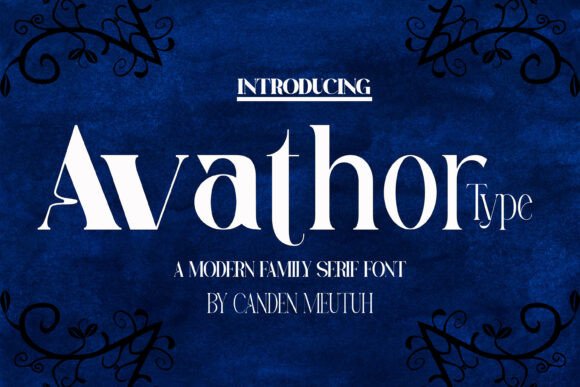
At its core, Avathor Type is a study in confident contrasts. It draws from mid-century styling, where letters were often built with bold, economical strokes, but it strips away the unnecessary ornamentation. The result is a display font with clean lines and bold curves. The condensed nature of the characters means you can pack more punch into a headline without sacrificing legibility. It’s a premium font that feels both familiar and fresh, offering a distinctive personality that’s hard to replicate with standard system fonts.
The visual appeal lies in its versatility as a creative font. It includes both uppercase and lowercase characters, which is crucial for modern editorial design and dynamic logo design. The lowercase letters soften the boldness just enough to make it approachable for longer titles or subheadings, while the uppercase set delivers that unmistakable impact. Think of it as the typographic equivalent of a well-tailored blazer: structured, sharp, and appropriate for a variety of occasions.
Where Avathor Type Truly Shines
Finding the right project for a strong typeface is about context. Avathor Type excels in environments where you need to establish a strong visual hierarchy immediately. It’s a natural fit for poster design and album covers, where the goal is to stop someone in their tracks. The font’s bold proportions cut through visual noise, making it ideal for music artwork or event promotion where the title is the hero.
In the realm of branding, this typeface offers a lot of flexibility. For fashion branding, it provides a sleek, modern edge that feels high-end without being pretentious. It works equally well for a gritty streetwear label or a minimalist boutique. If you are working on packaging design, consider using Avathor Type for the product name on the front label. Its condensed form allows you to fit significant text into tight spaces, which is a common constraint in packaging design.
Digital applications are just as viable. While it is primarily a display font, it performs exceptionally well in web design hero sections and social media graphics. On platforms like Instagram or Pinterest, where you have mere seconds to capture interest, a bold serif font like this can anchor your visual content and improve brand recognition. It pairs surprisingly well with clean sans serif font body text, creating a balanced aesthetic that guides the reader’s eye naturally.
Practical Application and Strategic Pairing
Using a bold font effectively requires a bit of strategy. You don’t want to use Avathor Type for body copy; its strength lies in headlines, pull quotes, and feature titles. When building a layout, use it to establish the tone. If you are creating a magazine spread, set the main headline in Avathor Type and use a lighter, wider sans-serif for the subheadings. This contrast creates a clear visual hierarchy, making the page easier to scan and more engaging to read.
Font pairing is where the magic happens. Because Avathor Type has a distinct retro-modern vibe, it benefits from partners that are neutral and clean. A geometric sans-serif works beautifully for body text, allowing the serif to take center stage. Alternatively, if you want a more expressive look, you could pair it with a subtle script font or handwritten font for accent text, though this requires careful kerning and spacing to avoid visual clutter.
Before you finalize your design, it is always worth testing the specific styles included in the family. Check how the font renders at different sizes, particularly for web design where screen resolution varies. Ensure the spacing between the condensed letters—known as tracking—is adjusted so the text remains legible at smaller scales. This attention to detail is what separates amateur work from professional design.
Making the Decision for Your Brand
Choosing a commercial font is an investment in your brand identity. When evaluating Avathor Type, look at the broader picture of your brand’s voice. Does your brand speak with authority? Is it stylish and confident? If your goal is to project a modern, bold personality that respects design heritage, this font is a strong candidate. It avoids the fleeting trends of overly decorative typography, focusing instead on timeless legibility and impact.
For entrepreneurs and small business owners, having a reliable display font in your toolkit saves time and elevates your output. Whether you are designing a pitch deck, a website header, or a flyer for a local market, Avathor Type provides a cohesive look that feels polished. It’s not just about making words look good; it’s about communicating your message with clarity and style. By integrating this typeface into your design assets, you ensure that your visual communications consistently hit the mark, engaging your audience and reinforcing your professional image.