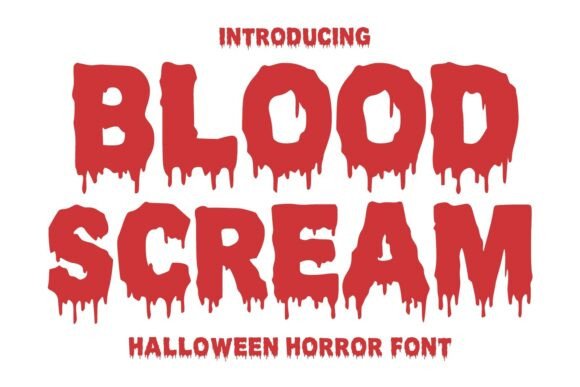
Blood Scream: A Typeface for Your Darkest Designs
Every designer knows the feeling. You’re working on a project that needs to feel genuinely unsettling. It’s not just a little spooky; it needs to drip with dread, evoke classic monster movies, and grab the viewer by the throat. Standard fonts, even many horror-themed ones, often fall short. They can feel generic, cartoonish, or just lack that visceral impact. This is the exact problem the Blood Scream premium font was created to solve. It’s not just a set of characters; it’s a complete design asset built for one purpose: to inject a terrifying and dramatic atmosphere into your work.
Anatomy of a Nightmare: The Visual Character of Blood Scream
At its core, Blood Scream is a bold, all-caps display font. But describing it that way is like calling a haunted house just a building. Its true personality lies in the details. Each character is crafted with a melting, viscous quality, as if formed from congealed blood. The edges aren't clean; they drip and ooze, creating a texture that feels both organic and deeply unsettling. This isn't a subtle effect. It’s the font’s defining feature, making every letterform a statement piece. The weight is intentionally heavy, ensuring maximum impact whether it’s used for a single word or a short, punchy headline.
The inspiration is clear: think of the gritty, practical effects of 1980s horror films, the bold typography on classic monster movie posters, and the visceral feeling of something truly scary. Blood Scream captures that analog, handcrafted horror aesthetic that so much modern digital design lacks. It feels authentic, not algorithmically generated. For a designer or content creator, this means you’re not just getting a font; you’re getting a piece of a specific visual language, one that instantly communicates a mood to your audience.
Where to Unleash the Blood Scream
The power of a strong display font like Blood Scream is its ability to set the tone instantly. Its applications are specific, but within those niches, it excels. For anyone in event promotion, it’s a game-changer. Imagine a Halloween party invitation or a haunted attraction poster. Using Blood Scream for the event name or key details immediately establishes the theme without a single line of explanatory text. It does the heavy lifting in your visual hierarchy, drawing the eye and setting expectations.
Beyond events, its utility spans several key areas:
- Branding and Logo Design: For businesses in the horror space—haunted houses, escape rooms, special effects artists, or horror-themed merchandise stores—this font can become a cornerstone of a brand identity. A logo using Blood Scream is instantly recognizable and communicates a clear, niche focus.
- Publishing and Editorial Design: Book covers for horror, thriller, or dark fantasy genres are a perfect match. It can create a compelling title that stands out on a digital storefront or a physical shelf. Similarly, magazine covers for horror publications or zine layouts can leverage its dramatic flair.
- Merchandise and Packaging: Think about t-shirt designs or packaging for horror-themed products. The font’s texture translates exceptionally well to print, creating a tactile, high-impact design that fans of the genre will appreciate.
- Digital and Social Media: In the crowded space of social media graphics, stopping the scroll is everything. A YouTube thumbnail for a horror game review, a Twitch stream overlay, or an Instagram post promoting a scary movie marathon will pop with the use of Blood Scream. It’s a creative font that demands attention.
Making It Work: Practical Guidance for Using a Heavy-Hitting Font
A font this powerful requires a thoughtful approach. Using it correctly can elevate a design, while misusing it can undermine your entire project’s professionalism. Here’s how to integrate Blood Scream effectively.
First, consider its primary role: it is a display font. This means it is designed for headlines, logos, and short, impactful text blocks. Trying to set a paragraph in Blood Scream would be a readability disaster. Its strength is in large-scale application. For body copy, you would always pair it with a highly legible serif font or sans serif font. A clean, modern sans serif like Montserrat or a classic serif like Lora can provide a stable, readable foundation that allows the horror of Blood Scream to shine without overwhelming the viewer.
When evaluating if it’s the right fit, ask yourself: does my project’s core emotion align with terror, dread, or classic horror? If the answer is a resounding yes, it’s a strong candidate. If the project is more “spooky-cute” or whimsical, a different script font or handwritten font would be more appropriate. Always test the font in context. Create a mockup of your poster, book cover, or social media post. See how the dripping characters interact with your other design assets and color palette. Does it enhance the composition or fight with it?
Finally, understand what you’re getting. A high-quality commercial font like Blood Scream comes with a license that permits its use in various projects, from client work to merchandise. Review the included files—often these premium fonts come with alternate characters, ligatures, or stylistic sets that can add even more variety to your designs. This attention to detail is what separates a professional typeface from a basic one. By choosing a font built with such specific intent, you’re investing in a design asset that can bring a terrifying and cohesive vision to life across all your creative projects.