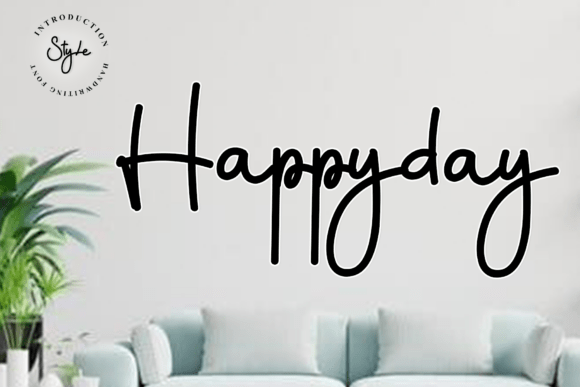
Happyday: Crafting Visual Stories with Modern Handwritten Elegance
In the world of digital design, finding a typeface that feels both personal and polished can be a challenge. Happyday enters the scene as a beautifully flowing modern handwritten script font, designed to bridge that gap. It’s not just a collection of letters; it’s a tool for adding a signature touch of sophistication to your work. With its smooth, generous curves and graceful, elongated strokes, this typeface offers a naturally luxurious feel that can elevate a wide range of creative projects. Whether you're building a brand from the ground up or adding a final flourish to a design, understanding how to use a premium font like Happyday effectively can make a significant difference in your visual communication.
The Visual Character and Personality of Happyday
Happyday’s strength lies in its balanced duality. It possesses the authentic, fluid quality of a natural handwritten font, yet its construction is deliberate and refined. The curves are smooth and confident, avoiding the erratic shakiness that can sometimes make script fonts difficult to read. The elongated strokes, particularly in ascenders and descenders, create a sense of movement and elegance. This isn't a casual, everyday script; it's a display font with a clear personality—sophisticated, romantic, and inherently stylish.
Think of it as the typographic equivalent of a well-tailored garment. It feels personal and bespoke, yet structured enough for professional applications. This makes Happyday an excellent choice for projects where you need to convey authenticity without sacrificing clarity. Its visual appeal lies in this careful balance, allowing it to stand out in a logo design while still feeling approachable in a longer headline. When selecting a creative font, this kind of nuanced personality is what separates a good design from a great one.
Practical Applications: Where Happyday Truly Shines
The true value of any design asset is measured by its versatility. Happyday proves its worth across a surprising variety of mediums, each benefiting from its unique blend of elegance and authenticity.
Branding and Personal Identity
For entrepreneurs and small business owners, a brand identity is built on trust and recognition. Happyday can serve as the cornerstone of a visual identity, especially for businesses in lifestyle, beauty, wellness, or luxury goods. It works beautifully for logo design, creating a memorable wordmark that feels both professional and personal. Imagine it on a bakery's packaging, a boutique hotel's signage, or a photographer's watermark. It instantly communicates a sense of care and quality, helping to shape audience perception before they even read the accompanying text. Pairing it with a clean sans serif font for body copy creates a powerful and readable visual hierarchy.
Editorial and Publishing Design
In editorial design, typography sets the tone. Happyday excels as a headline font for magazines, blog headers, and book covers. Its sweeping style can draw a reader's eye and establish the mood of an article—be it romantic, inspirational, or luxurious. For publishers, it’s a valuable typeface for chapter titles or pull quotes, adding a touch of artistry to the page. However, readability is key. Its use should be strategic, reserved for larger display sizes where its detailed strokes can be fully appreciated without causing eye strain.
Digital and Social Media Presence
On digital platforms, grabbing attention quickly is crucial. Happyday is a powerful tool for social media graphics. Use it for Instagram story titles, Pinterest pin overlays, or YouTube video thumbnails to create a cohesive and stylish feed. Its elegant script adds personality to quotes, announcements, and promotional posts. In web design, it can be used sparingly for hero section callouts or special announcement banners, but it's important to ensure it's implemented as a web font that loads quickly and remains crisp on all screens.
Event and Product Design
The applications extend beautifully into physical products. For wedding stationery, Happyday is a natural fit for invitations, place cards, and menus, offering a sophisticated alternative to traditional calligraphy. In packaging design, it can lend a premium, artisanal quality to product labels, gift boxes, and shopping bags. For crafters and hobbyists, it’s a fantastic resource for creating custom prints, planner stickers, or personalized gifts, adding a professional touch to DIY projects.
Making an Informed Choice: Guidance for Using Happyday
Integrating a new premium font into your workflow requires more than just liking its appearance. Here’s how to evaluate and use Happyday effectively.
Assessing Project Fit: Before you commit, ask yourself if the font’s personality aligns with your project’s message. Happyday’s luxurious, flowing style is perfect for themes of elegance, romance, and sophistication. It might be less suitable for a corporate financial report or a tech startup’s primary UI text, where clarity and neutrality are paramount. Always consider your audience and the context in which the design will be viewed.
Mastering Font Pairing: A script font rarely works well in isolation for extended text. The key to professional typography is effective font pairing. Happyday pairs exceptionally well with sturdy, neutral fonts. Try combining it with a classic serif font like Times New Roman or a modern sans serif font like Helvetica or Open Sans for body text. The contrast allows the display font to stand out while ensuring the overall design remains balanced and readable. Test different weights and sizes to establish a clear visual hierarchy.
Understanding the Package: A quality commercial font often comes with more than just basic uppercase and lowercase letters. Review the font package for Happyday. Does it include alternate characters, ligatures, or stylistic sets? These extras can provide more creative control, allowing you to customize the look of specific letter combinations for a more natural, handwritten flow. Also, verify the commercial licensing terms to ensure they cover your intended use, whether for a client project, merchandise, or digital products.
Prioritizing Readability: The most beautiful font is useless if it can’t be read. Always test Happyday at the size it will be used. For digital screens, ensure there is enough contrast against the background. For print, consider the paper stock and printing method. Its elegant details are best showcased at larger sizes, so use it for headlines and short phrases rather than paragraphs of body copy.
Ultimately, a typeface like Happyday is a versatile tool in your design arsenal. By understanding its strengths and applying it thoughtfully, you can use it to inject personality, build recognition, and add a layer of refined beauty to any project, helping your work communicate more effectively and leave a lasting impression.