Lonthe: A Modern Handwritten Script for Authentic Branding
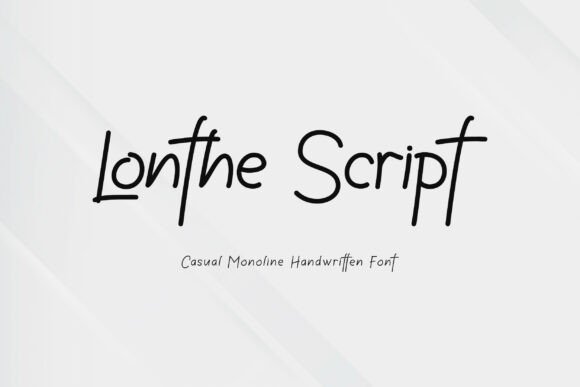
In a digital landscape saturated with rigid, geometric typefaces, there's a growing hunger for fonts that feel human. Enter Lonthe, a clean, elegant monoline script font that bridges the gap between casual handwritten charm and professional polish. It's not just another script font; it's a design tool crafted for creators who want to inject warmth and personality into their work without sacrificing clarity or sophistication. For designers, entrepreneurs, and content creators, Lonthe offers a versatile solution that feels both personal and premium.
The Visual Personality of Lonthe
At its core, Lonthe is defined by its smooth, consistent strokes and balanced flow. Unlike overly ornate or chaotic script fonts, it maintains a clean, readable baseline. The letterforms have a natural, slightly organic rhythm, mimicking the gentle pressure variation of a real pen or brush. This gives it an authentic, handmade quality that feels approachable and genuine. The overall aesthetic is minimalist yet expressive—think of a beautifully handwritten note from a friend with impeccable taste. It avoids the pitfalls of being too formal or too playful, striking a middle ground that works across a surprising array of contexts.
This careful balance makes Lonthe a standout modern typography choice. It doesn't scream for attention with wild swashes or excessive flourishes. Instead, its elegance lies in its restraint and the subtle artistry of its connected letterforms. The result is a typeface that conveys trust, creativity, and a thoughtful attention to detail.
Where Lonthe Truly Shines: Practical Applications
The true test of any creative font is its real-world application. Lonthe's strength is its chameleon-like adaptability. It's a powerhouse for projects where a human touch is essential.
- Branding & Logo Design: For beauty brands, boutique bakeries, lifestyle coaches, or artisanal product lines, Lonthe creates an instant emotional connection. In a logo, it can serve as the primary wordmark or as a complementary accent to a serif font or sans serif font, adding a layer of warmth and personality.
- Packaging & Editorial Design: On product labels, book covers, or magazine headlines, Lonthe draws the eye and sets a tone. Its readability at various sizes makes it suitable for both large display text and smaller callouts, ensuring your message is both seen and felt.
- Digital & Social Media: In the fast-scrolling world of Instagram, Pinterest, and web design, Lonthe's unique character helps posts stand out. Use it for quote graphics, story highlights, promotional banners, or website headers to create a cohesive and memorable visual identity that feels curated and authentic.
- Personal & Commercial Projects: From wedding invitations and greeting cards to blog headers and digital planners, Lonthe adds a bespoke quality. It’s a premium font that elevates personal projects and gives small business materials a professional, polished look.
Integrating Lonthe Into Your Design Workflow
Choosing the right typeface is only half the battle; using it effectively is what brings a design to life. Here’s how to approach working with Lonthe.
Evaluating Project Fit and Font Pairings
Before committing, consider the project's personality. Lonthe is ideal for brands and projects aiming for a friendly, approachable, yet sophisticated vibe. It may not be the best fit for ultra-corporate, tech-heavy, or highly formal contexts. A great way to test its suitability is to mock it up in your design software with your actual content.
Font pairing is where Lonthe can really elevate your layout. Because it's a script font, it works beautifully with clean, neutral typefaces. Pair it with a simple, geometric sans serif font for body text to ensure maximum readability. For a more classic or editorial feel, try combining it with a timeless serif font. The key is contrast—let Lonthe be the expressive star while its partner provides a calm, structured foundation.
Readability and Licensing Considerations
While Lonthe is designed for clarity, always test readability in context. Check its performance at the intended size, on both light and dark backgrounds, and across different devices for web projects. Its monoline structure generally holds up well, but a quick review prevents surprises.
As a commercial font, understanding the license is non-negotiable. Review the terms for the specific package you purchase. Most licenses cover a set number of users or projects. If you're using it for a client's brand identity or for merchandise, ensure the license permits that use. This step protects both you and your client legally and supports the type designers who create these valuable design assets.
Ultimately, Lonthe is more than just a font file; it's a strategic tool for visual storytelling. It allows you to craft a brand voice that is both visually appealing and emotionally resonant. By understanding its characteristics, knowing where it fits best, and applying it thoughtfully, you can leverage Lonthe to create work that feels genuinely human and deeply engaging.