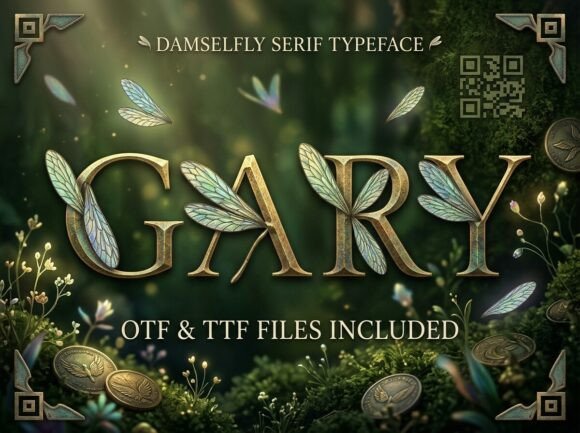
Gary: A Display Font That Commands Attention
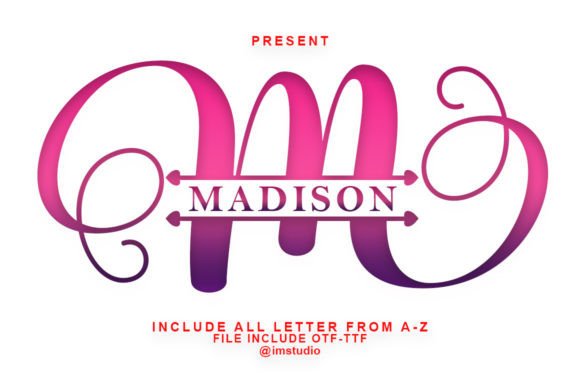
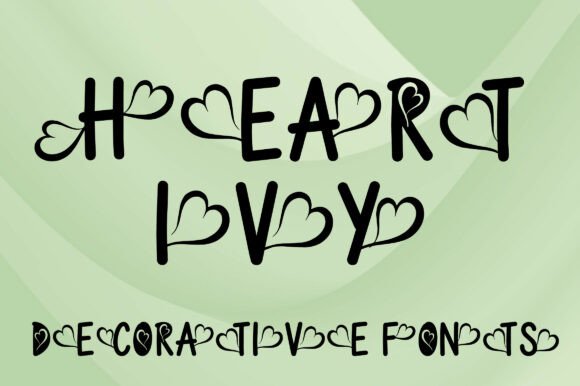
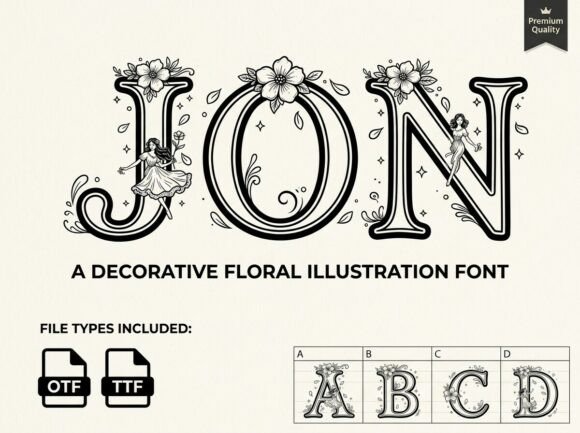
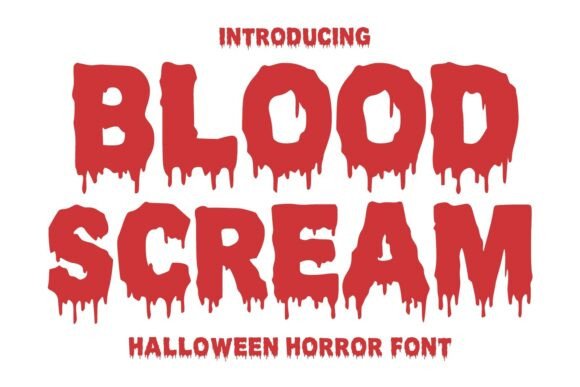
In a world saturated with clean, minimalist sans serif fonts, sometimes a project calls for something with more presence. This is where Gary enters the conversation. It’s not just a typeface; it’s a statement piece. Designed as a premium decorative display font, Gary is built for moments when typography needs to be the hero, not just a supporting player. Its intricate letterforms and strong visual personality make it an ideal choice for designers looking to inject instant energy and artistry into their work.
What sets Gary apart is its blend of creative flair and professional polish. Each character feels carefully crafted, featuring unique details that give it a handcrafted, artistic quality without sacrificing legibility at large sizes. Think of it as the typographic equivalent of a bold, architectural statement piece in a room—it’s meant to draw the eye and set a specific tone. It’s a modern typeface that understands the balance between being distinctive and remaining functional for high-impact applications.
Where Gary Truly Shines
The real value of a creative font like Gary lies in its application. It’s a versatile asset in a designer’s toolkit, particularly suited for projects where brand perception and visual hierarchy are critical. For poster design and event branding, Gary can create headlines that are impossible to ignore, setting the mood for a concert, festival, or gallery opening. Its strong personality is perfect for music & event art, helping album covers and flyers stand out with an authentic, edgy vibe.
When it comes to building a brand identity, Gary offers a powerful solution for creative businesses. Imagine a boutique brewery, an independent record label, or an artisan coffee roaster using this typeface for their logo design. It immediately communicates a sense of creativity, passion, and uniqueness. This same principle applies to packaging design, where Gary can give products a premium, artistic shelf presence that tells a story before the customer even reads the label. For apparel & merch, like T-shirts and tote bags, the font’s bold character translates perfectly, making designs feel custom and intentional.
Practical Guidance for Using This Bold Typeface
Adopting a display font like Gary requires a thoughtful approach. First, consider your project’s goals. Is the primary aim to grab attention in a crowded social media feed? Gary is excellent for social media graphics, making quotes and announcements pop. However, for body text in an editorial design or on a web design layout, you’ll want to pair it with a more neutral, highly readable serif or sans serif font. A classic combination might be using Gary for a magazine cover headline and a clean sans serif for the subheadings and body copy.
Evaluating font pairings is key. Because Gary has such a strong personality, it works best with simpler, more subdued partners. Think of it as the lead singer; it needs a solid rhythm section to support it. Test your pairings at scale—what looks striking on a business card might become overwhelming on a billboard. Also, review the included character set and styles. Understanding all the design assets that come with the font, such as alternates or ligatures, can unlock even more creative possibilities and help you maintain consistency across a campaign.
Finally, always consider the practicalities. As a commercial font, ensure the licensing aligns with your project’s scope, whether it’s for a single client or a large-scale product line. Readability is paramount; test Gary in context to ensure its artistic details don’t hinder comprehension at the intended viewing size. Used strategically, this typeface is more than just a decorative element—it’s a tool for enhancing visual hierarchy, strengthening brand recognition, and driving genuine audience engagement. It’s for creators who are ready to move beyond the ordinary and let their typography do some of the talking.